
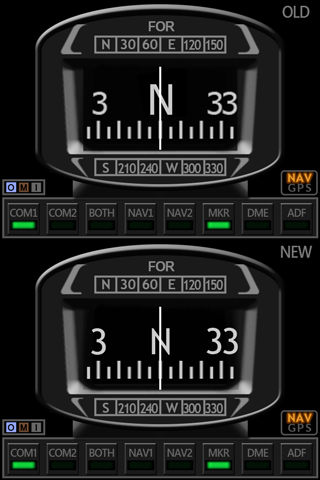
 The marker strip on the Cessna Wet Compass has been revised to better match the one in the virtual cockpit.
Users should have received update instructions via email already. Should any user hasn’t got it in their mailbox, feel free to contact me.
The marker strip on the Cessna Wet Compass has been revised to better match the one in the virtual cockpit.
Users should have received update instructions via email already. Should any user hasn’t got it in their mailbox, feel free to contact me.
Over the last 10 months, I’ve put more time on making gauges for FIPs than flying in the virtual world, as I am excited to see them evolving from some original basic attempts into current skillful works. A rather unexpected alternative satisfaction I never thought would have gained from flight simulation.
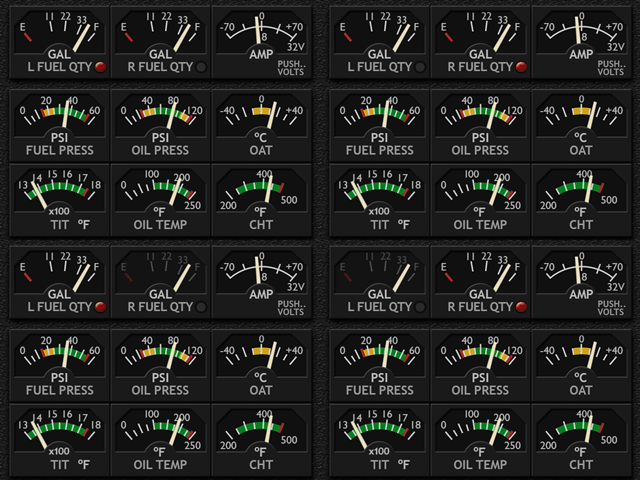 The latest project I just finished is the Mooney Bravo, which consists of two integrated Engine gauges plus the ASI, HSI and TCR. Some new techniques have been used in this gauge set, such as a selectable DME 1 & 2 display, and the stepping-style elevator, rudder and wing flaps indicators. Continue reading
Didn’t expect to complete this Integrated Engine Gauges for the A2A PA28 so soon myself since I was saying that I had been stuck by the layout for it in the last post. I just had it figured out in a dream a few days ago. No kidding.
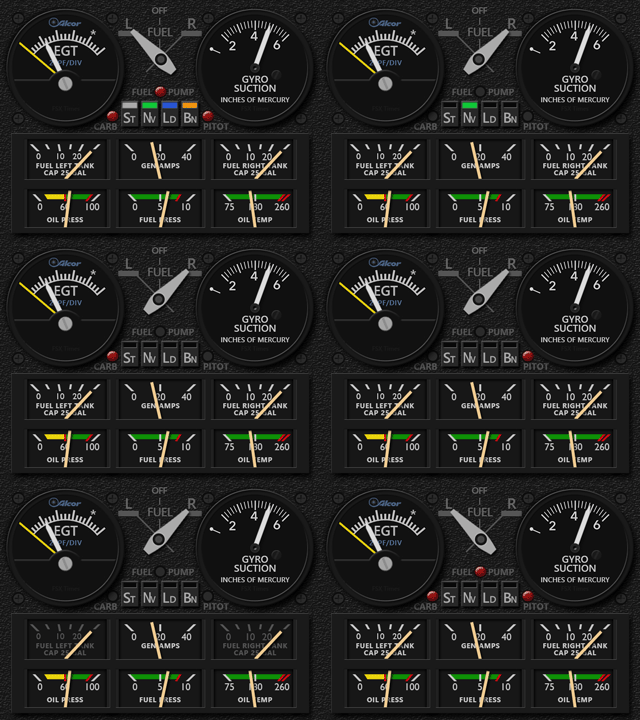 With this Engine Gauges, all instrument on the A2A PA28 are almost covered. Surely there will be new features, such as the Trim wheels & Flaps Indicators and stall indicator, to be added to the gauge set in future updates as in other gauges.
In addition, my button and knob setup in SPAD.neXt for this Integrated Gauges (such as the EGT reference needle) will be provided as references to users, too.
Anyone interested in this Engine gauges could click on the image above for more information. And if you are already users of my the A2A PA28 bundles, feel free to contact me for discount via email directly.
This S-TEC 30 Turn Coordinator for A2A PA28 did take me quite some time to develop due to its complexity. Many components in the equipment were newly made in order to fully map the auto-pilot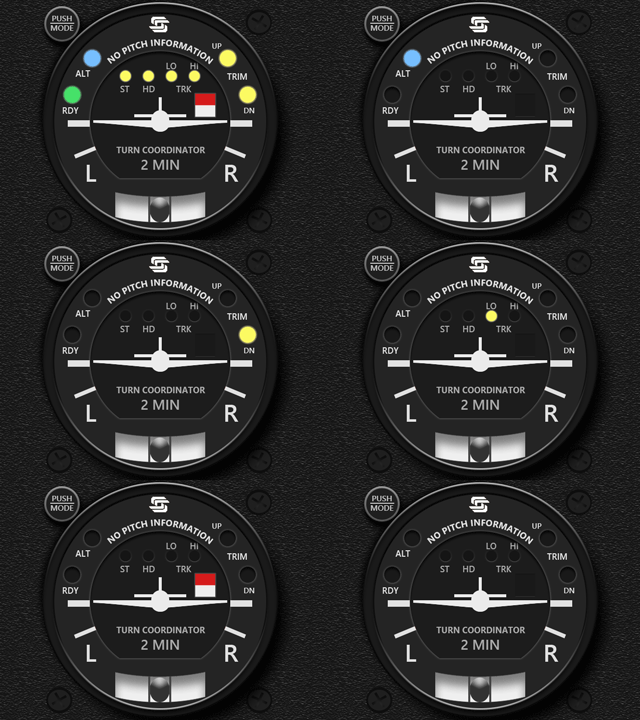 features accordingly. Frankly, I am quite happy about it myself.
This time, instead of just providing the gauge itself, I will include my button setup for the Auto-Pilot Switch, Auto-Mode Switch and Auto-Mode Turning Knob as references to users when they are setting their own. Although SPAD.neXt is getting user-friendlier, I believe users would still be glad to see such help. Continue reading
As my FIP gauges are building up and support more aircraft, I have written a quick Selection Guide to help those who are interested in my Gauges.
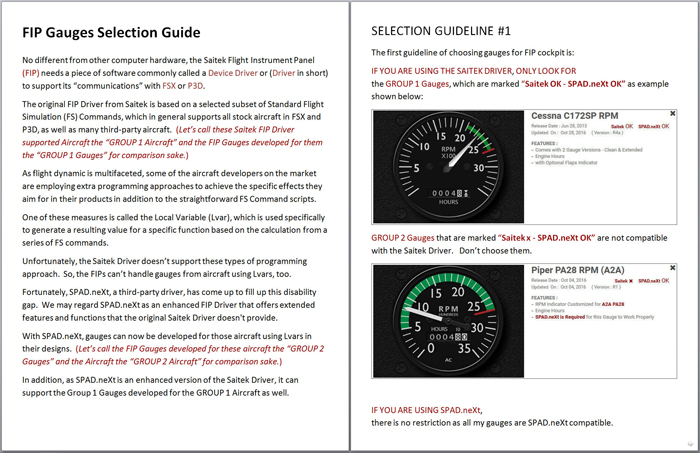 Click here or the image above to read the guide.
These are the two remaining gauges that complete the CT206H Gauge Set.
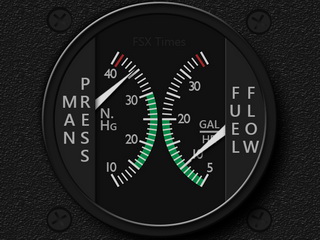
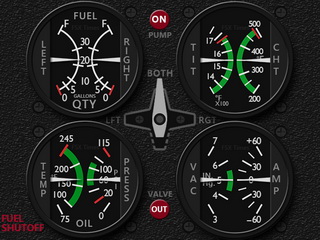
All current bundle users of the set will get the two gauges for free.
Will try hard to tie up the loose ends of the A2A P28 first before moving on to the next project which should be the default Mooney Bravo.
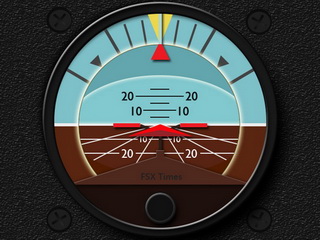
These are the requested 2nd Altimeter and Attitude Indicator to complete the CT210M Gauge Set.
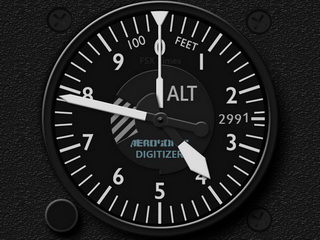
Price will be halved to those who already purchased the bundle set.
In terms of features, functions and layouts, instrument on the Carenado’s CT206H are very similar to the ones on the A2A’s C182T .
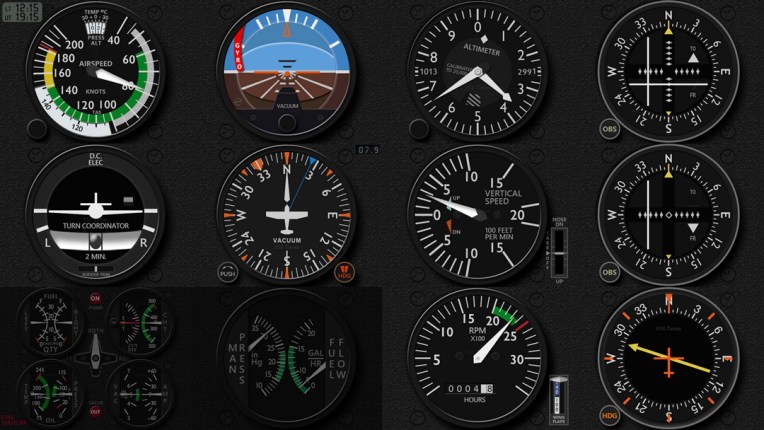
Surely there are differences among the two, such as the Altimeter on the CT206H has Dual Barometric Indicators and the NAV and GS needles on the CT206H’s VORs shift differently. Continue reading
The locations of the Flaps Indicator and Trim Wheel Indicator on my C172 gauges are generally based on their proximity in the cockpit layout, which is natural and logical to my design.
However, when users find themselves lacking enough FIPs to accommodate all the gauges in their virtual cockpit, ADF most often is the one “to give way” to the other gauges. I do the same since it makes sense to me as the ADF is not a must have equipment in many cases.
Unfortunately, under such scenario, the Flaps Indicator becomes hard to access, for which I’ve been trying to find out a good workaround.
Last week, Michael Basler raised the same question and gave me some suggestions. Continue reading
 FS Times